purple-tea-benefits

Decouvrez le thé violet: Kenya’s Violet Leaf Wonder

Introduction

Have you ever sipped a tea that glows with subtle violet hues? That’s purple tea  not just a novelty for the eyes, but a science-backed wellness leaf with impressive health potential. In recent years, researchers have uncovered powerful molecules in purple tea that may help with weight management, brain health, and metabolic regulation. Let’s dive into what makes purple tea special, what the research says, and what this could mean for tea lovers and health seekers alike.

What Is Purple Tea and Why It Matters

Origins & Cultivation

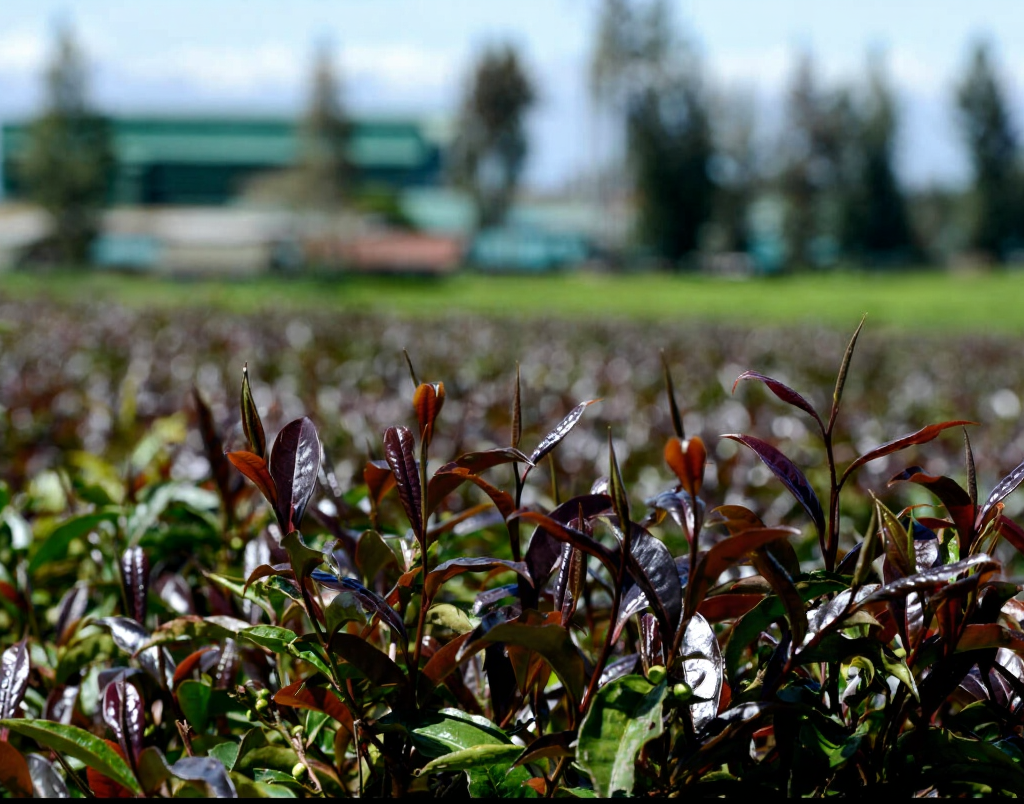
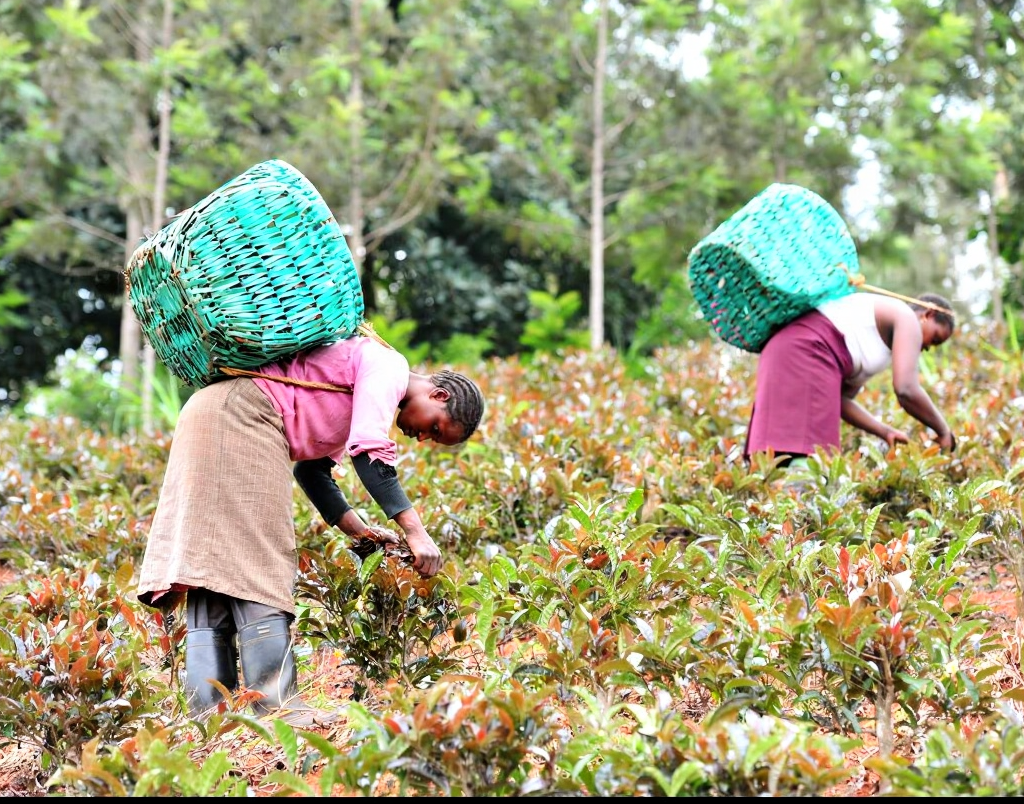
Purple tea comes from a cultivar of the tea plant Camellia sinensis var. assamica, bred in Kenya (notably the TRFK 306 clone) by the Tea Research Foundation of Kenya over decades. Business Daily+1

This varietal naturally accumulates anthocyanins, the same antioxidant pigments in blueberries and purple grapes, giving the leaves their colour. MDPI

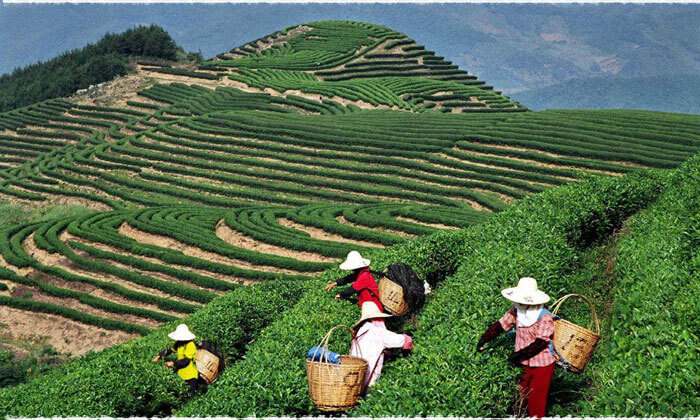
It is grown at high altitude in Kenya (e.g., Mt Kenya highlands), where intense sunlight may stimulate anthocyanin production. purepurpletea.com

There are also purple-leaf teas developed in other regions (e.g., Japan, China), but the Kenyan TRFK 306 is among the most studied. MDPI
Key Phytochemicals: What Makes Purple Tea Unique

Purple tea’s health potential comes from its rich blend of bioactive compounds. Here’s a breakdown based on the Horticulturae review:

Compound
Role/Effect
Also present, though in some studies lower than green tea; contribute to classic tea antioxidant benefits. MDPI
GHG (1,2-di-O-galloyl-4,6-hexahydroxydiphenoyl-β-D-glucose)
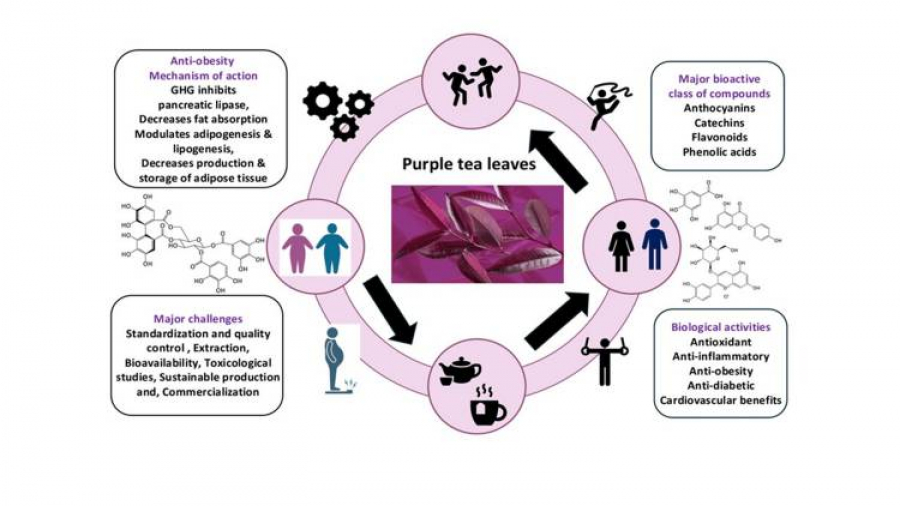
A standout molecule unique to purple tea. Research suggests it inhibits fat absorption, suppresses fat cell formation, and helps break down stored fat. PMC +2 cureus.com +2

What the Research Reveals

1. Anti-Obesity Effects

The Cureus review (based on the “two provided documents,” I believe) highlights GHG’s potential as a “natural intervention in obesity management.” cureus.com+1 The mechanisms? A few key ones:

Inhibition of pancreatic lipase GHG may prevent some fat from being absorbed in the gut. PMC

Modulation of adipogenesis it might suppress the formation of new fat cells and prevent excessive fat storage. PMC

Enhanced fat breakdown  by increasing hormone-sensitive lipase, purple tea seems to boost triglyceride breakdown into usable energy. PMC

In animal studies, purple tea extract (PTE) reduced body weight gain, liver fat, abdominal fat, and triglyceride levels. ResearchGate+1 In cultured liver cells (HepG2), both PTE and GHG increased expression of CPT1A, a key enzyme for fat oxidation. ResearchGate

Perhaps most promising: a small human trial (4 weeks of daily purple tea) showed modest but significant improvements in: Body weight, BMI and Body fat mass PMC.

This aligns with the Cureus review’s conclusion that GHG-rich purple tea could be part of a multi-pronged weight-management strategy. PubMed

2. Brain & Antioxidant Protection

Another fascinating insight (covered in the Horticulturae summary and earlier studies): purple tea’s anthocyanins may cross the blood–brain barrier.

In mice, feeding with purple tea anthocyanins raised levels of glutathione a powerful antioxidant in the brain. PubMed

This suggests neuroprotective potential, possibly relevant for neurodegenerative diseases linked to oxidative stress (like Alzheimer’s or Parkinson’s). PubMed+1

3. Anti-Inflammatory & Metabolic Benefits

Beyond fat and brain health, purple tea also shows:

Anti-inflammatory effects, by modulating signaling pathways (MAPK, NF-κB) and reducing inflammatory enzymes like COX-2. MDPI

Glucose metabolism regulation: Emerging studies suggest purple tea could improve insulin sensitivity and help manage blood sugar. UPSpace Repository

Cardiovascular support: By reducing LDL (“bad” cholesterol) and supporting endothelial health, anthocyanins in purple tea may protect heart function. naturesinheritance.com

Real-World Adoption & Economic Impact

Purple tea isn’t just lab science it’s making waves in Kenya. The Umbui farm in Murang’a County, for instance, has scaled up production and is boosting local incomes. Xinhua

For farmers, purple tea is especially attractive: it’s reportedly more drought-tolerant and commands premium prices versus regular black tea. kenyanews.go.ke

As demand grows, especially for its health potential, purple tea could drive both economic development and healthier beverage options.

Consumer Experience: Taste & Use

From both the literature and user experiences:

The flavor of purple tea is often described as mild, slightly fruity or vegetal, with less bitterness than green tea and a subtle sweetness. Stash Tea

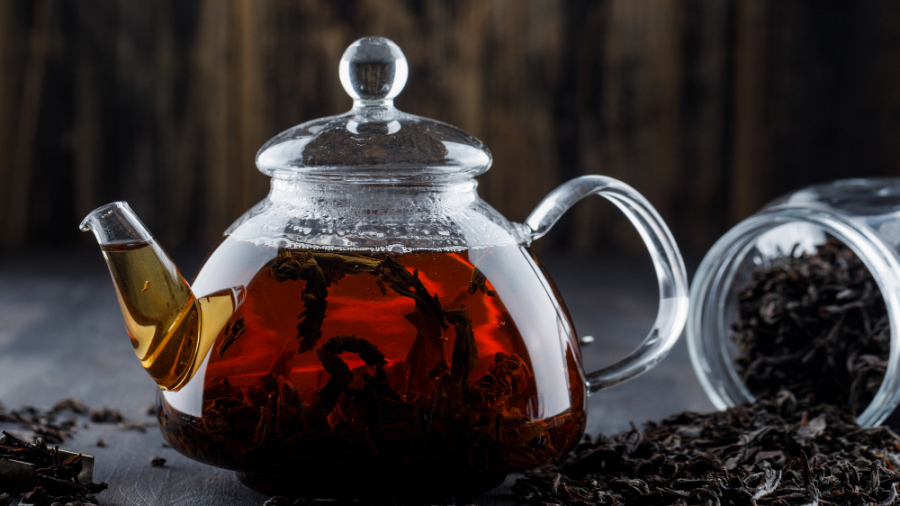
The liquor (infusion) typically has a golden base with a purple tint, and the color can intensify or change with a squeeze of lemon. Gatura Greens+1

In sensory studies, blending purple tea with spices like cinnamon, lemongrass, or nutmeg increased its acceptability. SCIRP

Many consumers on tea forums note it’s low caffeine, making it gentler than many green teas. > “it doesn’t have a typical green tea … lower caffeine … great choice in the evening.” Reddit

Challenges & Future Prospects

Despite its promise, purple tea faces some hurdles:

Flavor refinement: The bitterness from anthocyanins is a barrier for some. Researchers suggest breeding or processing tweaks to increase sweetness, boost amino acids, or reduce caffeine. MDPI

Scaling & accessibility: Not all tea factories are equipped to process this specialty cultivar. Business Daily

Research gaps: While early clinical studies are promising, more long-term, large-scale trials are needed to confirm purple tea’s health impacts. PubMed

Awareness: In Kenya, domestic consumption remains low due to limited consumer awareness. kenyanews.go.ke

Why Purple Tea Could Be a Game-Changer

Here’s what makes purple tea particularly compelling:

It combines two powerful antioxidant systems  anthocyanins + catechins offering a broader spectrum of bioactivity.

The unique compound GHG sets it apart: not just a flavonoid-rich tea, but one with mechanisms specifically targeting fat absorption and metabolism.

For those looking to manage weight, boost metabolic health, or support brain resilience, purple tea offers a natural, plant-based complement (not a “magic pill”).

For farmers, it’s an economic opportunity: a high-value specialty crop that aligns health and sustainability.

My Reflections & Personal Take

As someone fascinated by the intersection of agriculture, nutrition, and innovation, purple tea hits a sweet spot. It’s not just “pretty tea” its science-backed benefits make it a functional beverage. But what excites me most is the story behind it: Kenyan farmers cultivating a unique plant, global markets appreciating its value, and researchers unveiling its complex phytochemistry.

I tried a loose-leaf Kenyan purple tea recently: the color shift was delightful (especially with a drop of lemon), the taste was gently floral, and I felt an unexpected sense of calm more relaxing than green tea but still energizing. Would I drink it daily? Probably yes, especially as part of a balanced lifestyle.

Final Thoughts & Take-Home Messages

Purple tea is more than a novelty  it’s a scientifically interesting cultivar rich in anthocyanins and GHG.

Research supports its potential for weight management, fat metabolism, and antioxidant defense (including in the brain).

While promising, it’s not a silver bullet: more clinical trials and consumer education are needed.

For tea lovers, purple tea offers a unique flavour profile smooth, mild, with a hint of fruitiness and low caffeine.

For growers and the tea industry, it represents an economic innovation: specialty tea that can deliver both health and value

Call to Action

If you’re curious: try some Kenyan purple tea (there are great producers like Zamba Teas). Brew it carefully (hot water, but not boiling, short steep initially), maybe add a squeeze of lemon to bring out the purple, and see how you feel. If you’re a blogger, wellness coach, or content creator share your experience. Let’s help more people discover this violet-leaf treasure.
organic tea

Why Kenyan Tea Is Different from Indian and Chinese Teas

Have you ever paused mid-sip and wondered what exactly makes one cup of tea taste so different from another? When I first travelled through the highlands of Kenya and visited a tea estate near Kericho, I realised drinking tea isn’t just about flavour. It’s geography, culture, climate, processing and story. In this piece I’ll explain why Kenyan tea is different from Indian and Chinese teas, using the long-tail keyword “why Kenyan tea is different from Indian and Chinese teas” to guide us through a fresh, informed exploration. Drawing illustrations from industry data, personal observations and some often overlooked insights so this becomes more than just generic tea trivia.

Understanding the three players: Kenya • India • China

Before comparing, it helps to understand what each country brings to the tea table: their scale, growing conditions, and tea traditions.

Kenya

  • Kenya is the third-largest tea producer globally (after China and India). Wikipédia+2RealiTea+2

  • Tea is grown mostly in highland regions (1,500 – 2,700 m above sea level) on red volcanic soils, especially in the Rift Valley highlands. teaboard.or.ke+1

  • The industry supports hundreds of thousands of small-holder farmers plus estates; small-holders account for a large share. kenyarep-jp.com+1

  • Much of Kenya’s production is black tea, often CTC-processed (Crush-Tear-Curl) and aimed at bulk export markets. Alveus+1

India

  • India is the second-largest tea producer globally. historyofceylontea.com+1

  • Diverse tea traditions with distinct regional profiles: e.g., Assam (lowland, malty black teas), Darjeeling (high altitude, delicate leaf teas), Nilgiri (southern hills). teatulia.com

  • Indian tea growing often involves both orthodox traditional leaf production and large volumes of CTC (especially used for masala chai, teas with milk & sugar). wellingtonteas.com

China

  • China is the largest tea producer and the cradle of tea culture, with deep heritage. Palais des Thés

  • The diversity is enormous: green, white, yellow, oolong, black (hongcha), post-fermented (dark) teas. thechinaguide.com+1

  • Many Chinese teas are processed with great artisan care (e.g., hand-picked, minimal oxidation, terroir-driven) and often aimed at premium markets.

Why Kenyan tea is different: key factors

Now we come to the heart of the matter: what sets Kenyan tea apart when compared side-by-side with Indian and Chinese teas? I’ll break this down into core dimensions: terroir/plantation conditions, processing/trade orientation, flavour/tasting experience, and market role.

1. Terroir, plant variety & growth conditions

  • One of the biggest differences: Kenya’s tea is grown at high altitude on volcanic red soils with well-distributed rainfall (~1,200-1,500 mm) and long sunny days, leading to rapid regrowth of tea bushes. teaboard.or.ke+1

  • In contrast, many Indian lowland teas (e.g., Assam) are grown at much lower altitude (near sea level or 45-60 m in Assam) with a humid tropical climate. teatulia.com+1

  • China’s tea regions vary hugely—from misty mountain hills to river valleys—and the variability in elevation, cultivar and micro-climate is perhaps greater than Kenya’s relatively streamlined highland environment. Alveus+1

  • Notably, Kenyan teas rely heavily on the Assamica variety (or clones thereof) but benefit from that high altitude environment; whereas Indian Assam teas grow the same variety but in very different conditions (lowland and high humidity) and Chinese teas use predominantly Camellia sinensis var sinensis (smaller-leaf) in many regions. JUSTEA+1

  • My personal observation: walking through a Kenyan tea field felt brisk, crisp, clean—a steady green canopy under bright sun. In India’s Assam I saw thick humidity, dense undergrowth, very different leaf structure.

Takeaway: Kenya’s unique combination of altitude, soil, climatic rhythm and varietal means the starting leaf is different from Indian lowland teas and Chinese high-diversity tea regions.

2. Processing & trade orientation

  • Kenya has built an industry oriented for high volume black tea production and export, often in CTC form. For example, Kenya processes large volumes into smaller cut leaves which brew quickly and offer strong “tea” flavour. Wikipédia+1

  • Indian tea likewise has major CTC production (for mass markets) but also retains orthodox production in regions like Darjeeling and Nilgiri. Chinese tea processing is far more varied: minimal oxidation (green), heavy oxidation (black), semi-oxidised (oolong), post-fermented (dark). wellingtonteas.com+1

  • Because Kenya is largely producing for the global commodity black tea market (rather than niche single-origin specialty), the flavour profile is built around strength, colour and consistency. In contrast, Chinese tea emphasises terroir, leaf quality, processing finesse; Indian tea often balances between mass and premium markets.

  • The trade infrastructure in Kenya likewise emphasises bulk auctions (for instance through the Tea Board of Kenya) and export volume. teaboard.or.ke+1

Takeaway: Kenya’s processing and trade model (high-volume, mostly black, cut format) is different from the more artisanal and varied processing in China and the dual-track (mass + specialist) model in India.

3. Taste profile & drinking experience

  • One of the most accessible ways to sense the difference: Kenyan teas tend to brew into a bright amber/ reddish liquor, with brisk, bold character but somewhat fewer subtle floral or green-leaf nuances compared to fine Chinese teas or certain Indian orthodox teas. Foodal

  • Indian Assam tea is known for its malty, strong body, often used in breakfast blends with milk and sugar. teatulia.com+1

  • Chinese green/white/oolong teas often bring delicate vegetal, floral, nutty or aged flavours rather than pure strength; they invite slow sipping rather than adding milk. ICHA TEA

  • From my own cup: a Kenyan tea felt very “tea-tea”  straightforward, strong liquor, quick colour, reliable flavour. A Darjeeling or premium Chinese green was more meditative, layered, lighter.

  • Important: this isn’t to say Kenyan is inferior  it simply aims at a different value proposition: strong, consistent black tea suited for blends and mass markets rather than boutique single-origin leaf experiences.

Takeaway: The flavour profile of Kenyan tea is distinct because the leaf, processing and trade context shape it towards strength and reliability rather than ultra-premium nuance.

4. Market role & economic context

  • Kenya’s tea is a major foreign-exchange earner: for example in 2023 the export value reached KSh 180.57 Billion (≈ US$1.6 B) and the volume grew ~16 % from the previous year. teaboard.or.ke+1

  • Much of Kenya’s production is exported to markets such as Pakistan, Egypt, UK, UAE often as commodity black tea. teaboard.or.ke

  • Indian tea has both domestic mass market (chai culture) and export components, and the domestic consumption side is significant. Chinese tea likewise has huge domestic consumption, premium niche exports and diverse sub-types.

  • Because Kenya is focused on scale, its teas are often blended internationally (e.g., UK breakfast teas) and may not always carry the “single origin luxury” label that some Chinese or Indian regions do.

  • On a personal note, when I asked a Kenyan farmer about what makes their tea special, they emphasised reliability of yield, fast growth, good soil not “champagne terroir”-style bragging. That difference in mindset shows up in the cup.

Takeaway: Kenyan tea’s economic role and market orientation shape how it’s grown and processed and thus how it tastes differently from India and China where the systems include more boutique, regional, premium layers

Fresh perspectives and personal reflections

Here are a few observations from doing this deep dive that may not show up in standard “compare Kenyan vs Indian tea” lists.

1. Growth speed vs flavour depth

In Kenya I noticed the bushes grow very fast thanks to altitude plus consistent sunlight/rain. That means more volume but comparatively less “slow-season stress” which in other terroirs sometimes deepens flavour. In India’s high-altitude or Chinese mountain teas, slower growth can mean more complex chemistry in the leaf. So Kenyan tea plays in a trade-off: volume vs ultra-premium nuance.

2. Single-origin prestige vs commodity utility

In China, you often drink a tea because it is from that garden, that year, that cultivar. Kenyan tea more commonly is part of blends, where consistency matters more than terroir story. That doesn’t make it inferior just different. It ties back to how the industry is structured.

3. Climate resilience and risk

Kenya’s model gives some resilience (year-round growth, high altitude) but also exposes it to global commodity pressure. In contrast, Indian and Chinese premium teas often command higher margins per kilo (because of smaller volume, prestige). So when I visited the Kenyan plantation, I saw pressure to maintain yield and cost control a different mood than the small premium garden I visited in China’s Fujian which seemed more artisanal.
Interestingly, the Kenyan tea industry is now undergoing reforms to improve value addition and farmer welfare. kenyanews.go.ke

4. What happens in the cup matters

For the tea drinker: if you’re looking for a strong, reliable black tea that plays well with milk/sugar or alongside breakfast, Kenyan tea often delivers superb value. If you’re chasing a nuanced morning sip, maybe look to Indian high-altitude orthodox teas or Chinese green/oolong. Knowing that helps you choose rather than just “tea is tea”.

Conclusion

So, why is Kenyan tea different from Indian and Chinese teas? Because of how it grows, how it’s processed, how it’s traded, and how it’s positioned in the market.

  • Kenyan tea (often black, high-volume, high-altitude, volcanic soil) emphasizes strength and reliability.

  • Indian tea covers a wide spectrum from mass-market chai blends to elite Darjeeling leaf with distinctive regional profiles.

  • Chinese tea plays in a whole different ball-game of diversity: processing finesse, terroir, ageing, minimal, maximal, everything in between.

If you ever find yourself comparing a cup of Kenyan black tea next to, say, an Indian Assam or a Chinese Dragon Well green, you’ll now have a framework to understand why they are so different and appreciate each for what it is.

Call to Action

If you found this exploration helpful, I’d love to hear which teas you’ve tried and how they compare in your cup. Have you discovered a Kenyan tea you love? Or a Chinese or Indian garden tea that surprised you? Share your thoughts below, or subscribe for future posts on specialty teas and how to taste them better. And if you’re inspired, browse our guide to  Kenyan teas varieties.

ChatGPT Image 15 oct. 2025, 00_20_28 (1)

Quality That Travels the World

Quality isn’t just a promise it’s our guiding principle. From the misty highlands of Kenya to your teacup, every step of our process is carefully designed to preserve freshness, purity, and authenticity. Before a single pack reaches your hands, it undergoes a journey of care, testing, and certification that ensures you enjoy nothing less than excellence.

🌿 From Leaf to Lab Tested for Perfection

Each batch of Zamba Tea begins its journey in Kenya’s lush tea gardens, nurtured by clean rainfall and rich volcanic soil. Once handpicked, the leaves are expertly processed to retain their natural flavor and nutrients. But our commitment doesn’t stop there before packaging, every batch is independently tested to meet international quality and safety standards.

These rigorous tests check for purity, moisture content, and antioxidant levels, ensuring our tea remains as vibrant and wholesome as the day it was harvested.

✅ Certified for Global Standards

Zamba Teas proudly adheres to internationally recognized quality certifications, guaranteeing consistency, safety, and authenticity. Whether you’re in Nairobi, New York, or Tokyo, you can trust that every sip of Zamba Tea meets the same exceptional standard because quality should never depend on geography.

✈️ A Global Journey of Flavor and Trust

Once certified, our teas are carefully packed to preserve their natural aroma and taste during travel. The result? A cup that feels freshly brewed from the Kenyan highlands, no matter where you are in the world.Our goal is simple: to bring you the authentic taste of Kenyan tea, crafted with care and delivered with pride.

💛 The Zamba Promise

When you open a pack of Zamba Tea, you’re not just brewing a beverage you’re experiencing a tradition built on integrity, sustainability, and passion. Every cup tells a story of Kenya’s soil, sunshine, and the people who pour their hearts into every leaf. Because at Zamba, quality travels the world and it always arrives in your cup.

5249

Health Benefits of Purple Tea

What Is Purple Tea?

Purple tea is a rare variety grown exclusively in the highlands of Kenya. It’s derived from the same Camellia sinensis plant as black and green tea, but what makes it special is its natural purple pigmentation, caused by high levels of anthocyanins the same antioxidants found in blueberries and grapes. This gives the tea its stunning color and impressive health properties.

💪 1. Packed with Powerful Antioxidants

Purple tea contains higher antioxidant levels than both green and black teas. These antioxidants help combat free radicals in the body, protecting cells from damage and slowing signs of aging. Regular consumption supports your immune system, helping you stay healthy and energized.

❤️ 2. Supports Heart Health

Studies show that purple tea can help lower cholesterol and improve blood circulation. The anthocyanins promote healthy blood vessels, reducing the risk of heart disease. A daily cup of purple tea is a natural way to support your cardiovascular well-being delicious and beneficial.

⚖️ 3. Aids in Weight Management

Looking for a natural metabolism booster? Purple tea is rich in polyphenols that help regulate fat metabolism and reduce fat absorption. Combined with a balanced diet, it can assist in maintaining a healthy weight and supporting digestion.

🧘‍♀️ 4. Enhances Mental Clarity and Calm

Purple tea contains less caffeine than black tea but still provides a gentle energy boost. Its unique composition helps reduce stress and promotes mental clarity perfect for those moments when you need focus without the jitters.

🌸 5. Protects Skin and Promotes Radiance

The antioxidants in purple tea not only protect your body but also benefit your skin. By reducing oxidative stress, purple tea supports natural skin renewal, giving you a healthy, youthful glow from the inside out.

🌍 Why Choose Zamba Purple Tea?

At Zamba Teas, we carefully source our purple tea from sustainable Kenyan farms where it’s grown under ideal conditions high altitude, rich volcanic soil, and pure rainfall. Each leaf is handpicked, gently processed, and crafted to preserve its vibrant color and healthful qualities.

We believe every cup should tell a story of wellness, heritage, and harmony with nature. That’s the Zamba way.

☕ Experience Kenya’s Hidden Gem

Discover why tea enthusiasts and health-conscious drinkers worldwide are falling in love with purple tea. Brew it hot or cold, and enjoy the naturally smooth, fruity taste that makes this tea a true Kenyan masterpiece.

The Journey from Leaf to Cup: How Zamba Teas are Made

Every sip of Zamba Tea tells a story one rooted in Kenya’s rich soil, nurtured by nature, and perfected by passion. Our tea isn’t just a beverage; it’s a journey of craftsmanship, care, and community. From the lush fields where each leaf is handpicked to the final cup that warms your soul, Zamba Teas embodies the true spirit of Kenyan excellence.

🍃 Step 1: Grown in the Heart of Kenya

Our journey begins in the rolling highlands of Kenya, where the air is crisp, the rainfall is abundant, and the soil is fertile. These natural conditions create the perfect environment for cultivating tea leaves rich in flavor and aroma. At Zamba Teas, we partner with local farmers who use sustainable and ethical farming practices, ensuring that every leaf is grown with care for both people and the planet.

✋ Step 2: Handpicked with Precision

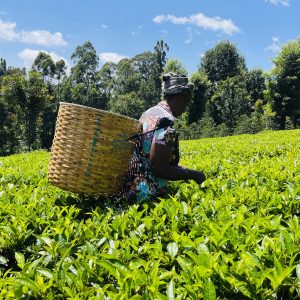
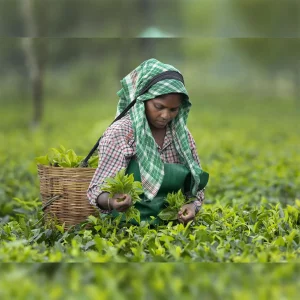
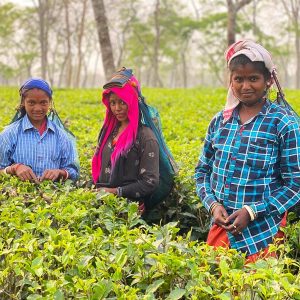
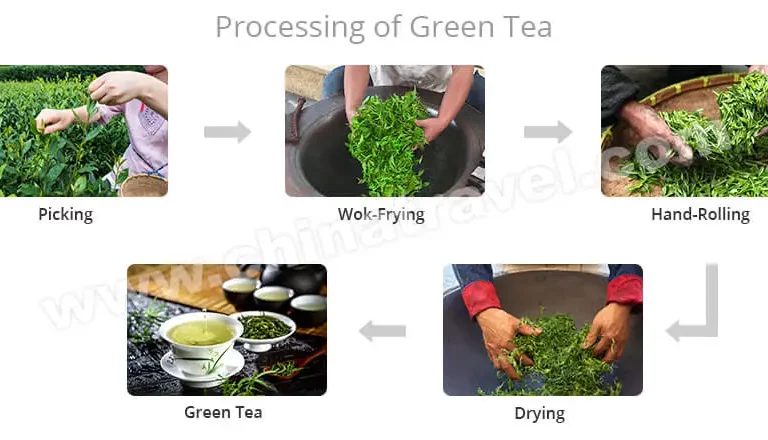
Tea picking is both an art and a science. Our skilled farmers carefully pluck only the youngest, most tender leaves the top two leaves and a bud to guarantee a fresh, full-bodied taste. This delicate process preserves the natural oils and nutrients that give Zamba Teas their signature richness and health benefits.

🔥 Step 3: Expert Processing and Blending

Once harvested, the leaves undergo a meticulous process that includes withering, rolling, oxidation, and drying. Each stage enhances the tea’s flavor profile, creating the perfect balance of color, aroma, and taste. Whether it’s our robust black tea, soothing green tea, or the rare and vibrant purple tea, every blend is crafted with precision and passion.

🌍 Step 4: Quality that Travels the World

Before reaching your cup, every batch of Zamba Tea is tested and certified to meet international quality standards. We believe in transparency and excellence ensuring that every pack you open delivers the authentic taste of Kenyan tea at its best.

☕ Step 5: Brewed for Moments that Matter

At Zamba Teas, we believe tea is more than a drink it’s a moment to pause, connect, and reflect. Whether you’re enjoying your morning ritual or sharing a cup with loved ones, each brew is a celebration of Kenya’s natural beauty and the hands that made it possible.

💚 The Zamba Promise

Every leaf in your cup represents a commitment to quality, to sustainability, and to the communities that make it all possible. With every sip, you’re not just tasting tea; you’re experiencing the journey of Zamba.