
 Cart is empty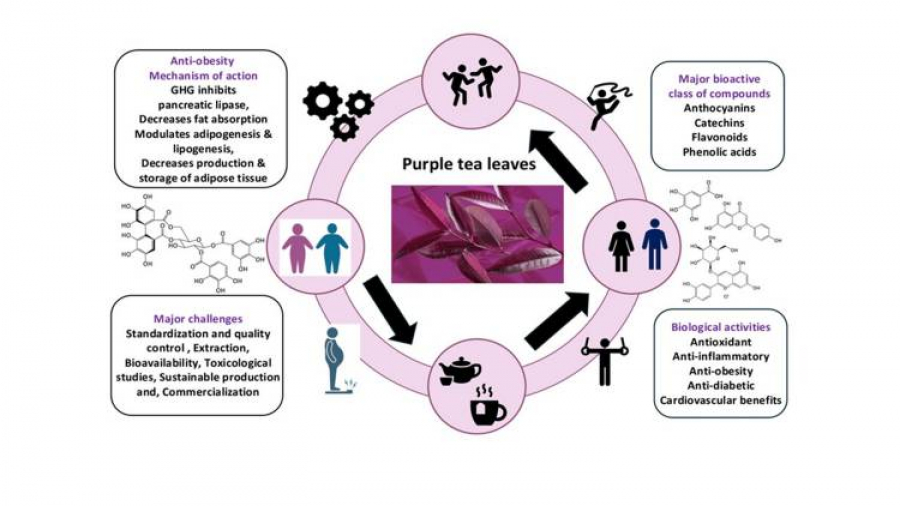
Introduction
Have you ever sipped a tea that glows with subtle violet hues? That’s purple tea not just a novelty for the eyes, but a science-backed wellness leaf with impressive health potential. In recent years, researchers have uncovered powerful molecules in purple tea that may help with weight management, brain health, and metabolic regulation. Let’s dive into what makes purple tea special, what the research says, and what this could mean for tea lovers and health seekers alike.
What Is Purple Tea and Why It Matters
Origins & Cultivation
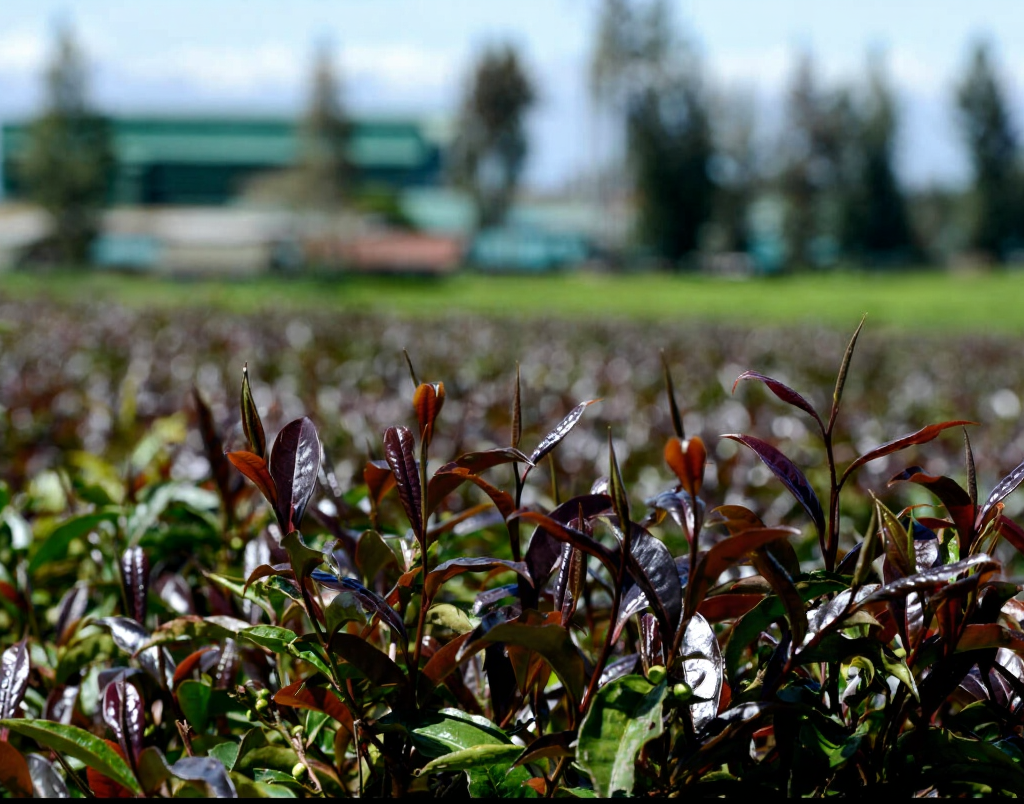
Purple tea comes from a cultivar of the tea plant Camellia sinensis var. assamica, bred in Kenya (notably the TRFK 306 clone) by the Tea Research Foundation of Kenya over decades. Business Daily+1
This varietal naturally accumulates anthocyanins, the same antioxidant pigments in blueberries and purple grapes, giving the leaves their colour. MDPI
It is grown at high altitude in Kenya (e.g., Mt Kenya highlands), where intense sunlight may stimulate anthocyanin production. purepurpletea.com
There are also purple-leaf teas developed in other regions (e.g., Japan, China), but the Kenyan TRFK 306 is among the most studied. MDPI

Key Phytochemicals: What Makes Purple Tea Unique
Purple tea’s health potential comes from its rich blend of bioactive compounds. Here’s a breakdown based on the Horticulturae review:
Compound | Role/Effect |
|---|---|
Also present, though in some studies lower than green tea; contribute to classic tea antioxidant benefits.
MDPI | |
GHG (1,2-di-O-galloyl-4,6-hexahydroxydiphenoyl-β-D-glucose) | A standout molecule unique to purple tea. Research suggests it inhibits fat absorption, suppresses fat cell formation, and helps break down stored fat.
PMC
+2
cureus.com
+2 |
What the Research Reveals
1. Anti-Obesity Effects
The Cureus review (based on the “two provided documents,” I believe) highlights GHG’s potential as a “natural intervention in obesity management.” cureus.com+1 The mechanisms? A few key ones:
Inhibition of pancreatic lipase GHG may prevent some fat from being absorbed in the gut. PMC
Modulation of adipogenesis it might suppress the formation of new fat cells and prevent excessive fat storage. PMC
Enhanced fat breakdown by increasing hormone-sensitive lipase, purple tea seems to boost triglyceride breakdown into usable energy. PMC
In animal studies, purple tea extract (PTE) reduced body weight gain, liver fat, abdominal fat, and triglyceride levels. ResearchGate+1 In cultured liver cells (HepG2), both PTE and GHG increased expression of CPT1A, a key enzyme for fat oxidation. ResearchGate
Perhaps most promising: a small human trial (4 weeks of daily purple tea) showed modest but significant improvements in: Body weight, BMI and Body fat mass PMC.
This aligns with the Cureus review’s conclusion that GHG-rich purple tea could be part of a multi-pronged weight-management strategy. PubMed
2. Brain & Antioxidant Protection
Another fascinating insight (covered in the Horticulturae summary and earlier studies): purple tea’s anthocyanins may cross the blood–brain barrier.
In mice, feeding with purple tea anthocyanins raised levels of glutathione a powerful antioxidant in the brain. PubMed
This suggests neuroprotective potential, possibly relevant for neurodegenerative diseases linked to oxidative stress (like Alzheimer’s or Parkinson’s). PubMed+1
3. Anti-Inflammatory & Metabolic Benefits
Beyond fat and brain health, purple tea also shows:
Anti-inflammatory effects, by modulating signaling pathways (MAPK, NF-κB) and reducing inflammatory enzymes like COX-2. MDPI
Glucose metabolism regulation: Emerging studies suggest purple tea could improve insulin sensitivity and help manage blood sugar. UPSpace Repository
Cardiovascular support: By reducing LDL (“bad” cholesterol) and supporting endothelial health, anthocyanins in purple tea may protect heart function. naturesinheritance.com
Real-World Adoption & Economic Impact
Purple tea isn’t just lab science it’s making waves in Kenya. The Umbui farm in Murang’a County, for instance, has scaled up production and is boosting local incomes. Xinhua
For farmers, purple tea is especially attractive: it’s reportedly more drought-tolerant and commands premium prices versus regular black tea. kenyanews.go.ke
As demand grows, especially for its health potential, purple tea could drive both economic development and healthier beverage options.
Consumer Experience: Taste & Use
From both the literature and user experiences:
The flavor of purple tea is often described as mild, slightly fruity or vegetal, with less bitterness than green tea and a subtle sweetness. Stash Tea
The liquor (infusion) typically has a golden base with a purple tint, and the color can intensify or change with a squeeze of lemon. Gatura Greens+1
In sensory studies, blending purple tea with spices like cinnamon, lemongrass, or nutmeg increased its acceptability. SCIRP
Many consumers on tea forums note it’s low caffeine, making it gentler than many green teas. > “it doesn’t have a typical green tea … lower caffeine … great choice in the evening.” Reddit
Challenges & Future Prospects
Despite its promise, purple tea faces some hurdles:
Flavor refinement: The bitterness from anthocyanins is a barrier for some. Researchers suggest breeding or processing tweaks to increase sweetness, boost amino acids, or reduce caffeine. MDPI
Scaling & accessibility: Not all tea factories are equipped to process this specialty cultivar. Business Daily
Research gaps: While early clinical studies are promising, more long-term, large-scale trials are needed to confirm purple tea’s health impacts. PubMed
Awareness: In Kenya, domestic consumption remains low due to limited consumer awareness. kenyanews.go.ke
Why Purple Tea Could Be a Game-Changer
Here’s what makes purple tea particularly compelling:
It combines two powerful antioxidant systems anthocyanins + catechins offering a broader spectrum of bioactivity.
The unique compound GHG sets it apart: not just a flavonoid-rich tea, but one with mechanisms specifically targeting fat absorption and metabolism.
For those looking to manage weight, boost metabolic health, or support brain resilience, purple tea offers a natural, plant-based complement (not a “magic pill”).
For farmers, it’s an economic opportunity: a high-value specialty crop that aligns health and sustainability.
My Reflections & Personal Take
As someone fascinated by the intersection of agriculture, nutrition, and innovation, purple tea hits a sweet spot. It’s not just “pretty tea” its science-backed benefits make it a functional beverage. But what excites me most is the story behind it: Kenyan farmers cultivating a unique plant, global markets appreciating its value, and researchers unveiling its complex phytochemistry.
I tried a loose-leaf Kenyan purple tea recently: the color shift was delightful (especially with a drop of lemon), the taste was gently floral, and I felt an unexpected sense of calm more relaxing than green tea but still energizing. Would I drink it daily? Probably yes, especially as part of a balanced lifestyle.
Final Thoughts & Take-Home Messages
Purple tea is more than a novelty it’s a scientifically interesting cultivar rich in anthocyanins and GHG.
Research supports its potential for weight management, fat metabolism, and antioxidant defense (including in the brain).
While promising, it’s not a silver bullet: more clinical trials and consumer education are needed.
For tea lovers, purple tea offers a unique flavour profile smooth, mild, with a hint of fruitiness and low caffeine.
For growers and the tea industry, it represents an economic innovation: specialty tea that can deliver both health and value
Call to Action
If you’re curious: try some Kenyan purple tea (there are great producers like Zamba Teas). Brew it carefully (hot water, but not boiling, short steep initially), maybe add a squeeze of lemon to bring out the purple, and see how you feel. If you’re a blogger, wellness coach, or content creator share your experience. Let’s help more people discover this violet-leaf treasure.