 Cart is empty
Have you ever paused mid-sip and wondered what exactly makes one cup of tea taste so different from another? When I first travelled through the highlands of Kenya and visited a tea estate near Kericho, I realised drinking tea isn’t just about flavour. It’s geography, culture, climate, processing and story. In this piece I’ll explain why Kenyan tea is different from Indian and Chinese teas, using the long-tail keyword “why Kenyan tea is different from Indian and Chinese teas” to guide us through a fresh, informed exploration. Drawing illustrations from industry data, personal observations and some often overlooked insights so this becomes more than just generic tea trivia.
Understanding the three players: Kenya • India • China
Before comparing, it helps to understand what each country brings to the tea table: their scale, growing conditions, and tea traditions.
Kenya
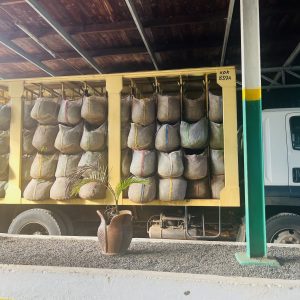
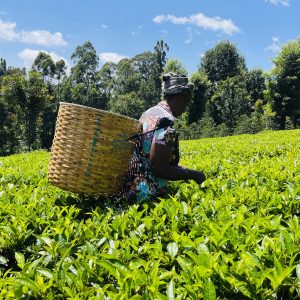
Kenya is the third-largest tea producer globally (after China and India). Wikipédia+2RealiTea+2
Tea is grown mostly in highland regions (1,500 – 2,700 m above sea level) on red volcanic soils, especially in the Rift Valley highlands. teaboard.or.ke+1
The industry supports hundreds of thousands of small-holder farmers plus estates; small-holders account for a large share. kenyarep-jp.com+1
Much of Kenya’s production is black tea, often CTC-processed (Crush-Tear-Curl) and aimed at bulk export markets. Alveus+1
India
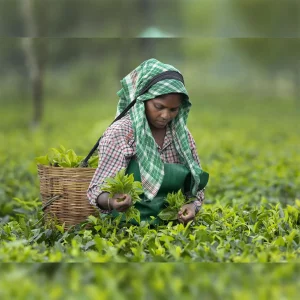
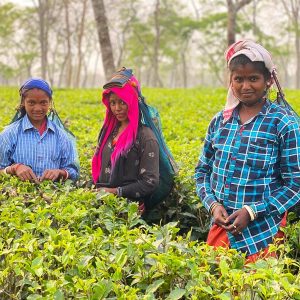
India is the second-largest tea producer globally. historyofceylontea.com+1
Diverse tea traditions with distinct regional profiles: e.g., Assam (lowland, malty black teas), Darjeeling (high altitude, delicate leaf teas), Nilgiri (southern hills). teatulia.com
Indian tea growing often involves both orthodox traditional leaf production and large volumes of CTC (especially used for masala chai, teas with milk & sugar). wellingtonteas.com
China
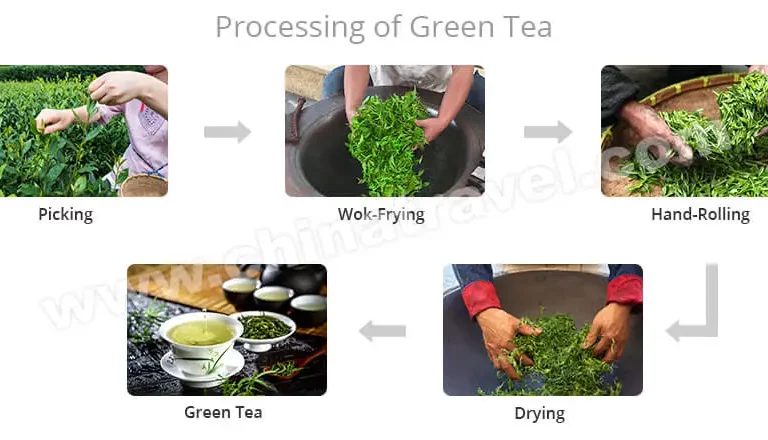
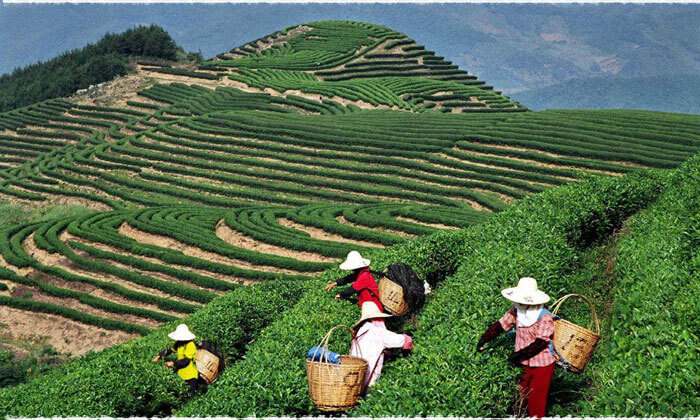
China is the largest tea producer and the cradle of tea culture, with deep heritage. Palais des Thés
The diversity is enormous: green, white, yellow, oolong, black (hongcha), post-fermented (dark) teas. thechinaguide.com+1
Many Chinese teas are processed with great artisan care (e.g., hand-picked, minimal oxidation, terroir-driven) and often aimed at premium markets.
Why Kenyan tea is different: key factors
Now we come to the heart of the matter: what sets Kenyan tea apart when compared side-by-side with Indian and Chinese teas? I’ll break this down into core dimensions: terroir/plantation conditions, processing/trade orientation, flavour/tasting experience, and market role.
1. Terroir, plant variety & growth conditions
One of the biggest differences: Kenya’s tea is grown at high altitude on volcanic red soils with well-distributed rainfall (~1,200-1,500 mm) and long sunny days, leading to rapid regrowth of tea bushes. teaboard.or.ke+1
In contrast, many Indian lowland teas (e.g., Assam) are grown at much lower altitude (near sea level or 45-60 m in Assam) with a humid tropical climate. teatulia.com+1
China’s tea regions vary hugely—from misty mountain hills to river valleys—and the variability in elevation, cultivar and micro-climate is perhaps greater than Kenya’s relatively streamlined highland environment. Alveus+1
Notably, Kenyan teas rely heavily on the Assamica variety (or clones thereof) but benefit from that high altitude environment; whereas Indian Assam teas grow the same variety but in very different conditions (lowland and high humidity) and Chinese teas use predominantly Camellia sinensis var sinensis (smaller-leaf) in many regions. JUSTEA+1
My personal observation: walking through a Kenyan tea field felt brisk, crisp, clean—a steady green canopy under bright sun. In India’s Assam I saw thick humidity, dense undergrowth, very different leaf structure.
Takeaway: Kenya’s unique combination of altitude, soil, climatic rhythm and varietal means the starting leaf is different from Indian lowland teas and Chinese high-diversity tea regions.
2. Processing & trade orientation
Kenya has built an industry oriented for high volume black tea production and export, often in CTC form. For example, Kenya processes large volumes into smaller cut leaves which brew quickly and offer strong “tea” flavour. Wikipédia+1
Indian tea likewise has major CTC production (for mass markets) but also retains orthodox production in regions like Darjeeling and Nilgiri. Chinese tea processing is far more varied: minimal oxidation (green), heavy oxidation (black), semi-oxidised (oolong), post-fermented (dark). wellingtonteas.com+1
Because Kenya is largely producing for the global commodity black tea market (rather than niche single-origin specialty), the flavour profile is built around strength, colour and consistency. In contrast, Chinese tea emphasises terroir, leaf quality, processing finesse; Indian tea often balances between mass and premium markets.
The trade infrastructure in Kenya likewise emphasises bulk auctions (for instance through the Tea Board of Kenya) and export volume. teaboard.or.ke+1
Takeaway: Kenya’s processing and trade model (high-volume, mostly black, cut format) is different from the more artisanal and varied processing in China and the dual-track (mass + specialist) model in India.
3. Taste profile & drinking experience
One of the most accessible ways to sense the difference: Kenyan teas tend to brew into a bright amber/ reddish liquor, with brisk, bold character but somewhat fewer subtle floral or green-leaf nuances compared to fine Chinese teas or certain Indian orthodox teas. Foodal
Indian Assam tea is known for its malty, strong body, often used in breakfast blends with milk and sugar. teatulia.com+1
Chinese green/white/oolong teas often bring delicate vegetal, floral, nutty or aged flavours rather than pure strength; they invite slow sipping rather than adding milk. ICHA TEA
From my own cup: a Kenyan tea felt very “tea-tea” straightforward, strong liquor, quick colour, reliable flavour. A Darjeeling or premium Chinese green was more meditative, layered, lighter.
Important: this isn’t to say Kenyan is inferior it simply aims at a different value proposition: strong, consistent black tea suited for blends and mass markets rather than boutique single-origin leaf experiences.
Takeaway: The flavour profile of Kenyan tea is distinct because the leaf, processing and trade context shape it towards strength and reliability rather than ultra-premium nuance.
4. Market role & economic context
Kenya’s tea is a major foreign-exchange earner: for example in 2023 the export value reached KSh 180.57 Billion (≈ US$1.6 B) and the volume grew ~16 % from the previous year. teaboard.or.ke+1
Much of Kenya’s production is exported to markets such as Pakistan, Egypt, UK, UAE often as commodity black tea. teaboard.or.ke
Indian tea has both domestic mass market (chai culture) and export components, and the domestic consumption side is significant. Chinese tea likewise has huge domestic consumption, premium niche exports and diverse sub-types.
Because Kenya is focused on scale, its teas are often blended internationally (e.g., UK breakfast teas) and may not always carry the “single origin luxury” label that some Chinese or Indian regions do.
On a personal note, when I asked a Kenyan farmer about what makes their tea special, they emphasised reliability of yield, fast growth, good soil not “champagne terroir”-style bragging. That difference in mindset shows up in the cup.
Takeaway: Kenyan tea’s economic role and market orientation shape how it’s grown and processed and thus how it tastes differently from India and China where the systems include more boutique, regional, premium layers
Country | Key Growing Conditions | Typical Processing & Market | Taste Profile | Unique Focus |
|---|---|---|---|---|
Kenya | ||||
Heritage, craftsmanship, terroir expression |
- 1
Fresh perspectives and personal reflections
Here are a few observations from doing this deep dive that may not show up in standard “compare Kenyan vs Indian tea” lists.
1. Growth speed vs flavour depth
In Kenya I noticed the bushes grow very fast thanks to altitude plus consistent sunlight/rain. That means more volume but comparatively less “slow-season stress” which in other terroirs sometimes deepens flavour. In India’s high-altitude or Chinese mountain teas, slower growth can mean more complex chemistry in the leaf. So Kenyan tea plays in a trade-off: volume vs ultra-premium nuance.
2. Single-origin prestige vs commodity utility
In China, you often drink a tea because it is from that garden, that year, that cultivar. Kenyan tea more commonly is part of blends, where consistency matters more than terroir story. That doesn’t make it inferior just different. It ties back to how the industry is structured.
3. Climate resilience and risk
Kenya’s model gives some resilience (year-round growth, high altitude) but also exposes it to global commodity pressure. In contrast, Indian and Chinese premium teas often command higher margins per kilo (because of smaller volume, prestige). So when I visited the Kenyan plantation, I saw pressure to maintain yield and cost control a different mood than the small premium garden I visited in China’s Fujian which seemed more artisanal.
Interestingly, the Kenyan tea industry is now undergoing reforms to improve value addition and farmer welfare. kenyanews.go.ke
4. What happens in the cup matters
For the tea drinker: if you’re looking for a strong, reliable black tea that plays well with milk/sugar or alongside breakfast, Kenyan tea often delivers superb value. If you’re chasing a nuanced morning sip, maybe look to Indian high-altitude orthodox teas or Chinese green/oolong. Knowing that helps you choose rather than just “tea is tea”.
Conclusion
So, why is Kenyan tea different from Indian and Chinese teas? Because of how it grows, how it’s processed, how it’s traded, and how it’s positioned in the market.
Kenyan tea (often black, high-volume, high-altitude, volcanic soil) emphasizes strength and reliability.
Indian tea covers a wide spectrum from mass-market chai blends to elite Darjeeling leaf with distinctive regional profiles.
Chinese tea plays in a whole different ball-game of diversity: processing finesse, terroir, ageing, minimal, maximal, everything in between.
If you ever find yourself comparing a cup of Kenyan black tea next to, say, an Indian Assam or a Chinese Dragon Well green, you’ll now have a framework to understand why they are so different and appreciate each for what it is.
Call to Action
If you found this exploration helpful, I’d love to hear which teas you’ve tried and how they compare in your cup. Have you discovered a Kenyan tea you love? Or a Chinese or Indian garden tea that surprised you? Share your thoughts below, or subscribe for future posts on specialty teas and how to taste them better. And if you’re inspired, browse our guide to Kenyan teas varieties.